“Best guy ever,highly recommended”
NC
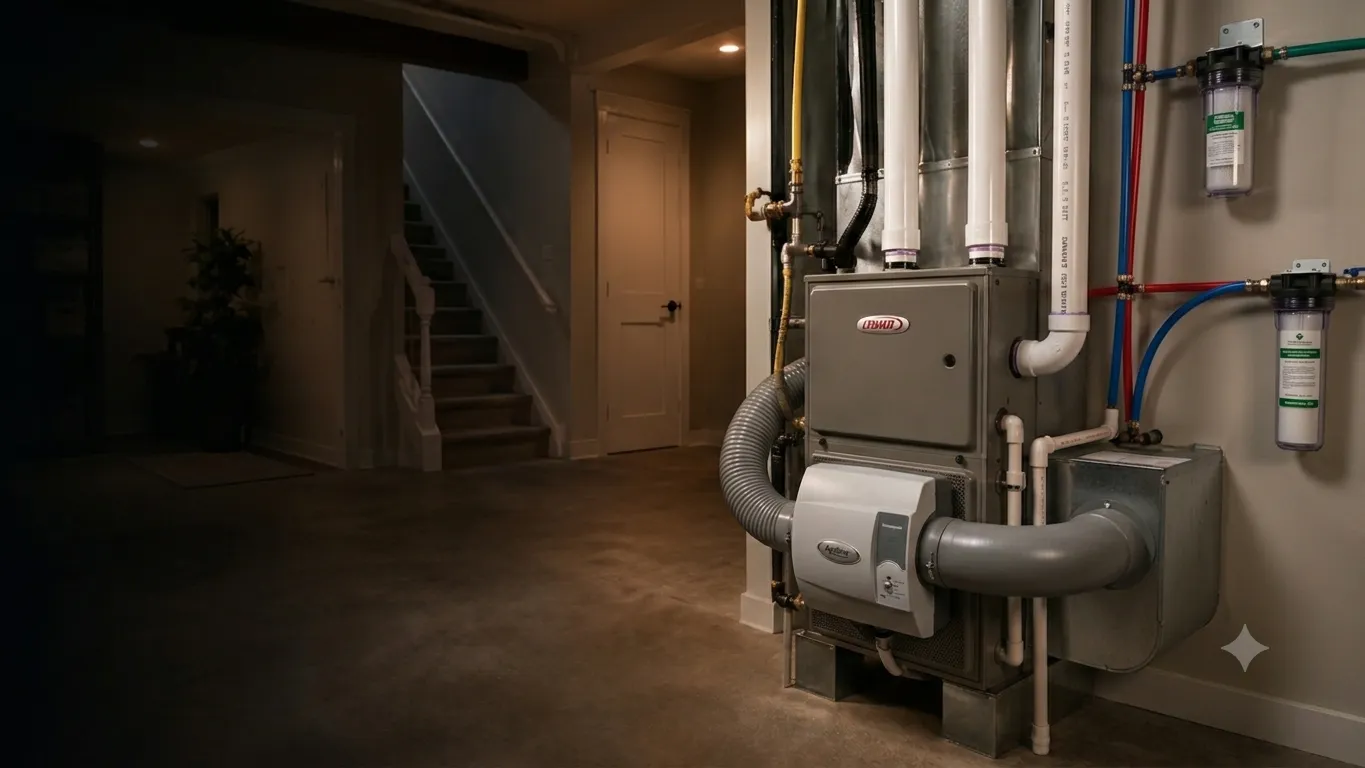
Heat or energy recovery ventilators bring in fresh outdoor air while preserving 70-85% of the heat (or cooling) in your existing indoor air.
“Best guy ever,highly recommended”
“Excellent, fast service during a summer heatwave. Varun and Chirag diagnosed and replaced my a/c unit the day after the call was made. They worked so efficiently and respectfully, leaving the space as clean as they found it. Thank you for fixing this in the least stressful way!”
“We had a great experience with Trident Heating & Air Conditioning. The technician who came to work on our furnace and condenser was extremely helpful, professional, and knowledgeable. He took the time to thoroughly explain the issues we were having, answered all of our questions, and made sure we understood everything before he left. We really appreciated his honesty, patience, and attention to detail. It’s clear that customer service is a priority for this company. We highly recommend Trident Heating & Air Conditioning to anyone looking for reliable and professional service.”
“Great HVAC service! The technician cleaned my condenser coil thoroughly, was professional, and left everything looking great. The unit is running much better now. Highly recommended!”
“Varun and his assistant, Ash, did an excellent job with our AC installation. Varun was very diligent in identifying the right solution for our specific situation. He helped us choose the right equipment, took the time to explain his recommendations in detail, and provided a thorough, transparent quote. Understanding that we urgently needed the work completed, he managed to fit us into his schedule within just a couple of days without charging any extra for the rush. The installation was completed professionally, and the entire experience was smooth from start to finish. I will definitely be using Trident and Varun again for future HVAC and gas projects. Next up: a heat pump installation and a new gas dryer line. See you soon, Varun!”
“Workmanship was perfect, very clean job. Great explanation of how everything works.”
“Affordable and fast service.”
“Very professional, quick and efficient. Clear explanation, reasonable price. Highly recomment!!!”
“Top notch service. They diagnosed and serviced our air conditioner on a hot day when our air conditioner gave up. Highly recommend.”
“Outstanding Emergency Service During a Boxing Day Storm My furnace stopped working on Boxing Day, right in the middle of a winter storm across southern Ontario with freezing rain, ice pellets, and snow. Despite the dangerous road conditions, Varun drove all the way from Kitchener to Thorndale to help me with this emergency. He diagnosed and fixed the furnace quickly, restoring heat when we needed it most. On top of that, he even helped clear my driveway on his way out, which had been covered in ice and snow from the storm. Varun went above and beyond with exceptional professionalism, kindness, and dedication. Highly recommended for anyone needing reliable HVAC service, especially in emergencies.”
“I had an excellent experience working with Varun. He was extremely professional, knowledgeable, and helpful throughout the entire process. He completed the installation perfectly, provided clear guidance at every step, and patiently answered all my questions. His follow-up was outstanding, ensuring everything was working smoothly even after the job was completed. He is genuine, reliable, and truly cares about customer satisfaction. I highly recommend his services to anyone looking for someone trustworthy, skilled, and dedicated. Thank you for the great support and excellent work!”
“Varun is great punctual and knowledgeable and has good customer service I would recommend him to anyone that needs a heater or air conditioner fixed! Also has great prices for the service”
Modern homes are sealed tight - great for energy bills, terrible for indoor air. HRV (Heat Recovery Ventilator) and ERV (Energy Recovery Ventilator) systems exchange stale indoor air for fresh outdoor air while transferring most of the heat (and humidity, with ERV) so you don't pay to re-condition incoming air.
Climate matters:
We provide hrv / erv ventilation throughout Kitchener, Waterloo, Cambridge and Guelph - plus surrounding townships including Elmira, St. Jacobs, Breslau, Baden, New Hamburg, Fergus, Rockwood, Ayr.
Our experts will assess your system, understand your comfort concerns, and recommend practical solutions tailored to your home and budget. New installations and replacements include a free estimate; diagnostic visits start at $89 and are credited toward approved repairs.